
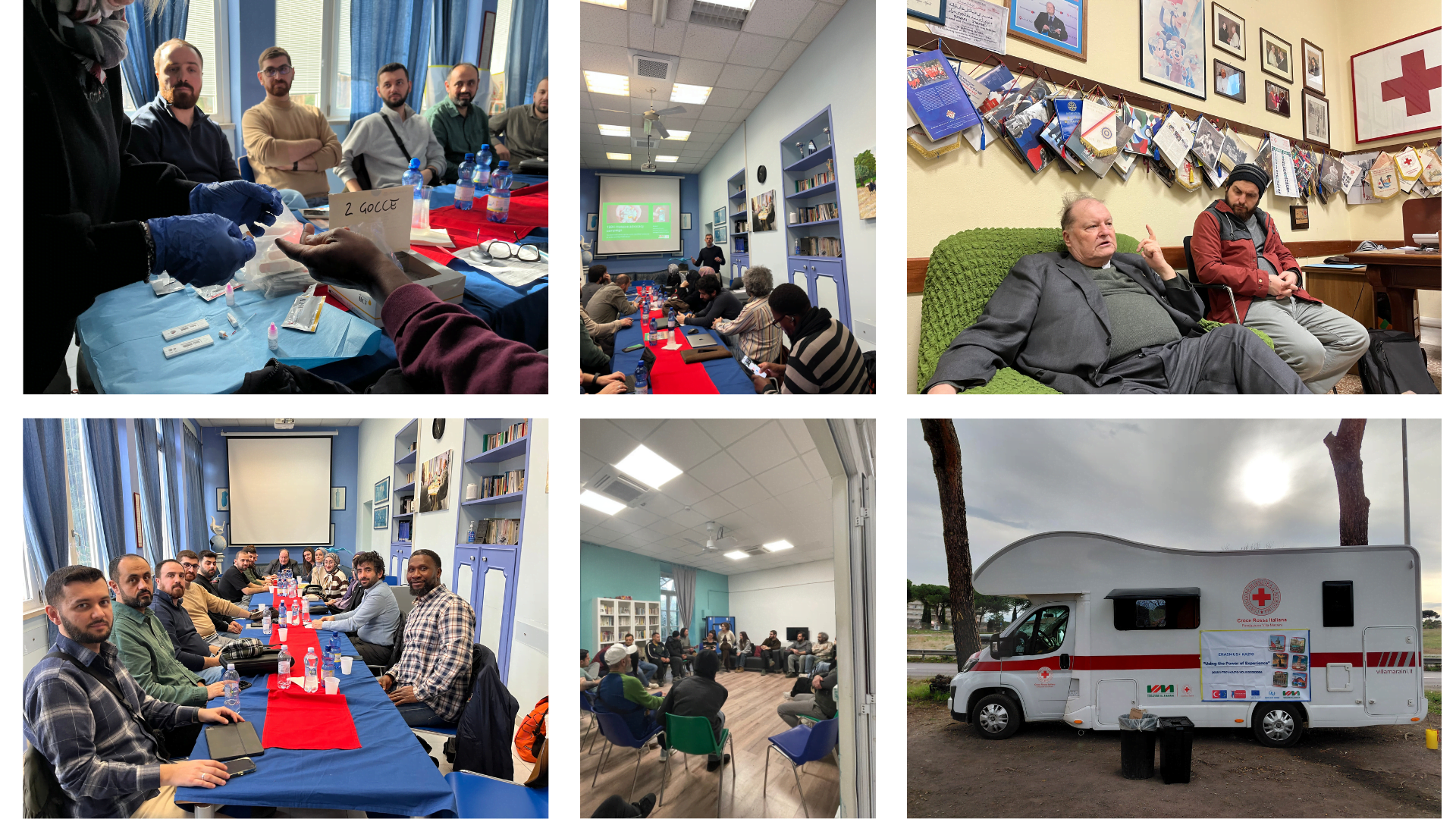
The comprehensive training program organized within the scope of our project was carried out to examine international best practices in the fight against substance addiction on-site and to increase institutional capacity.
The First Days: Theoretical Framework and Service Models The first two days of the training program began with an opening session by Dr. Massimo Barra, founder of the Villa Maraini Foundation. In the sessions, the disease-based approach to substance addiction, institutional service models, and harm reduction strategies were evaluated in detail.
One of the highlights of the program was the experience sharing by ex-user and social worker Oggey Magoryabanda. Magoryabanda's transfer of field practices provided participants with significant insights based on real-life experiences beyond theory. In the sessions introducing the street-based service model, technical evaluations were made on overdose risk, Naloxone use, and other vital harm reduction practices. Participants had the opportunity to examine the street locations where contact is established with addicted individuals and the mobile units used on-site.
Field Visits and Therapeutic Approaches On the third and fourth days of the program, inter-institutional cooperation processes, therapeutic community programs, and family-oriented studies were discussed. Villa Maraini's street-based harm reduction practices were observed through field visits and thematic group workshops conducted with clients. During this process, information was exchanged on admission procedures and client follow-up mechanisms.
The education program concluded with a feedback and evaluation session led by Dr. Massimo Barra. Having directly observed the practical application of the harm reduction approach, project partners reached a consensus on how these models can be adapted to local dynamics.


