Holistic Approach to Addiction: Fighting Substance Abuse in Turkey
The fight against addiction in Turkey is established on a multi-layered, interdisciplinary model that integrates medical treatment, psychosocial support, and social rehabilitation. Depending on the type of addiction and the specific needs of the individual, various institutions step in at different stages of the recovery journey.
Below is an overview of the primary intervention methods and institutional frameworks utilized in Turkey:
1. Prevention and Awareness (Primary Intervention)
This stage focuses on educating risk groups and creating public awareness before addiction occurs.
-
Educational Programs: Seminars and workshops conducted by NGOs, local governments, and schools to highlight the dangers of addictive substances.
-
Life Skills Training: Empowering youth with "refusal skills" and encouraging alternative healthy lifestyles through sports, arts, and social hobbies.
2. Medical Treatment and Detoxification
This is the clinical phase where the physical effects of addiction are managed under the supervision of specialized medical professionals.
-
The AMATEM Model: Alcohol and Substance Addiction Treatment Centers focus on the detoxification process, managing withdrawal symptoms in a controlled, often inpatient, clinical environment.
3. Psychosocial Counseling and Outpatient Follow-up
Post-detoxification, the focus shifts to ensuring social adaptation and reducing the risk of relapse.
-
The YEDAM Model (Green Crescent Counseling Centers): Providing free psychological and social support to both individuals and their families. These centers operate on a basis of strict confidentiality and outpatient sessions.
-
Cognitive Behavioral Strategies: Helping individuals develop coping mechanisms to deal with triggers and cravings in their daily lives.
4. Social Rehabilitation and Reintegration
This final stage aims to reintegrate individuals back into society, helping them gain vocational skills and overcome social isolation.
-
Rehabilitation Centers: Long-term inpatient facilities that offer workshop activities, group therapies, and spiritual support to help individuals transform their lifestyle.
-
Sober Living Communities: NGO-led initiatives that provide a drug-free social environment, helping individuals build new, healthy social networks.
Institutions Visited Within the Scope of the Project
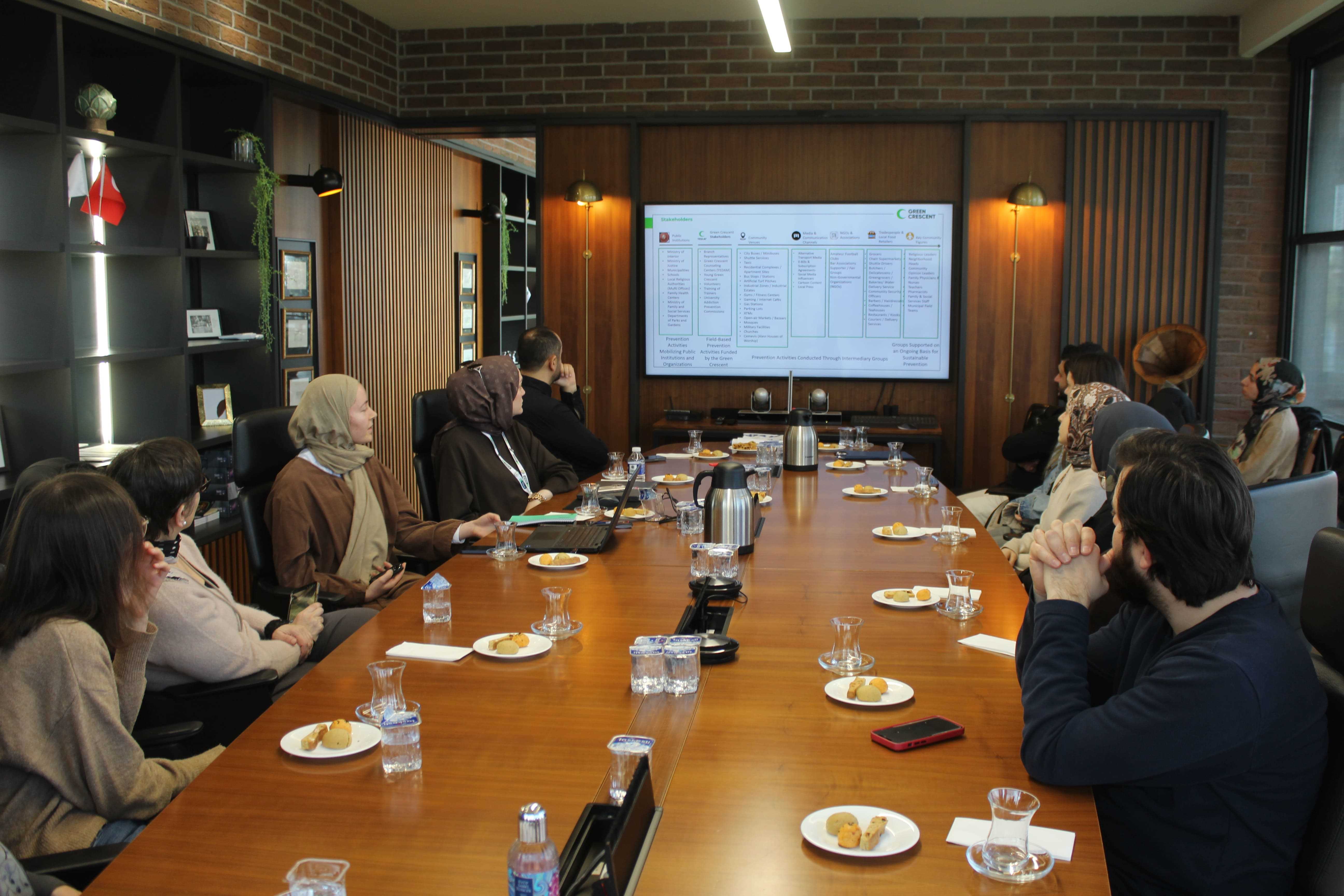
As part of the Erasmus+ KA210 project, carried out in partnership with the Villa Maraini Foundation (Italy) and supported by the Turkish National Agency, our delegation conducted site visits to observe these models in practice.
The following institutions were visited to facilitate international experience sharing:
-
Green Crescent (Yeşilay) Headquarters: An overview of strategic planning and corporate intervention models.
-
Bahçelievler Green Crescent Counseling Center (YEDAM): Observations on outpatient follow-up and family counseling processes.
-
Bursa Green Crescent Rehabilitation Center: Insights into long-term residential rehabilitation and vocational training.
-
AMATEM (Adult Detoxification Center): Field study on clinical treatment and medical intervention stages.
-
IHH Humanitarian Relief Foundation: Evaluation of the humanitarian and social support dimensions of addiction recovery.
-
Turkish Red Crescent (Kızılay) Bursa Branch: Analysis of local community support mechanisms.
-
Pusula Sober Living Association: Exchange of ideas on NGO-based peer support and social harmony programs.
These comprehensive visits provided invaluable insights into every stage of addiction management, forming a solid foundation for our project’s international knowledge-sharing goals.


